Xpressrun
Evolving last-mile logistics platform into a scalable SaaS for modern e-commerce D2C businesses in the US.
Overview
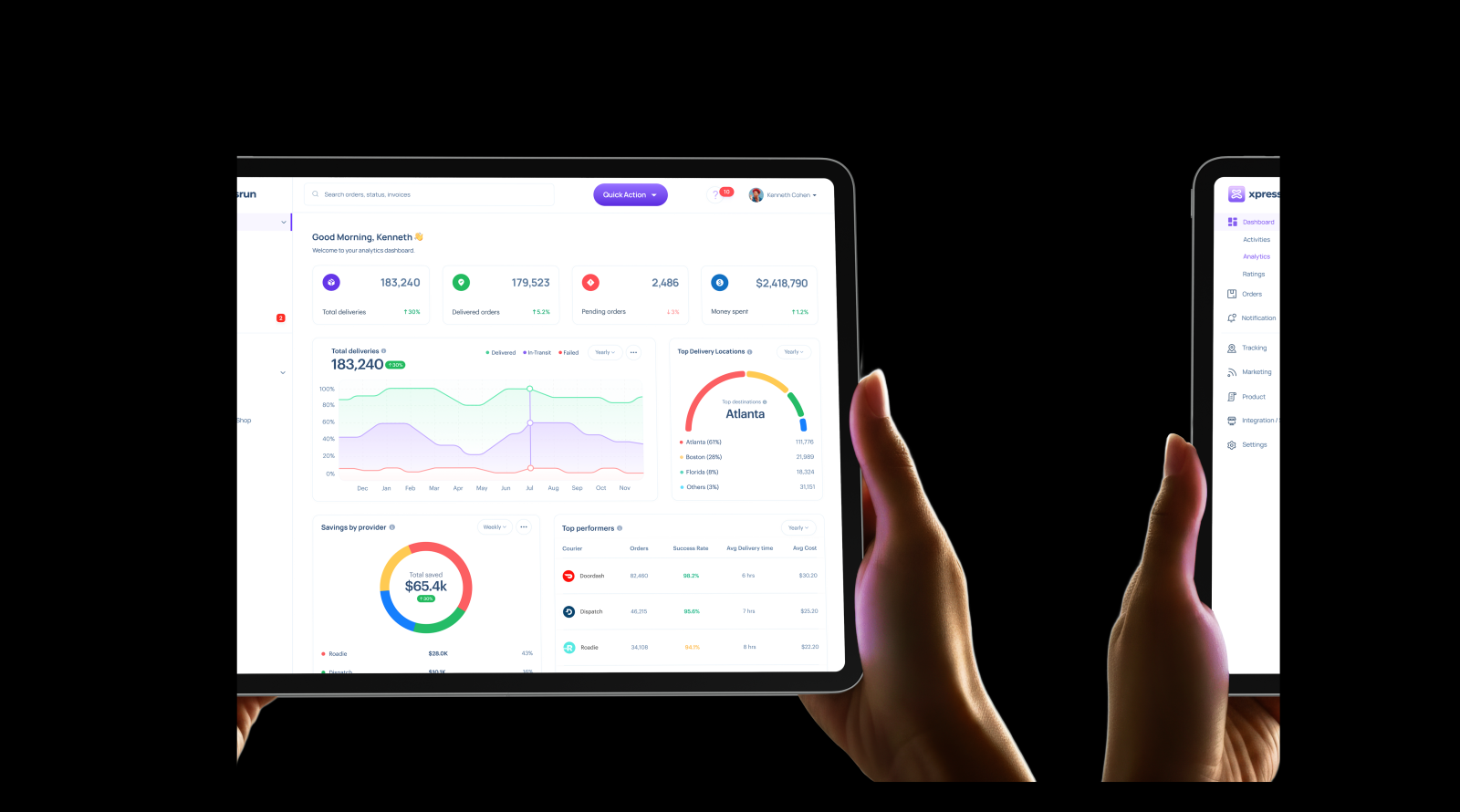
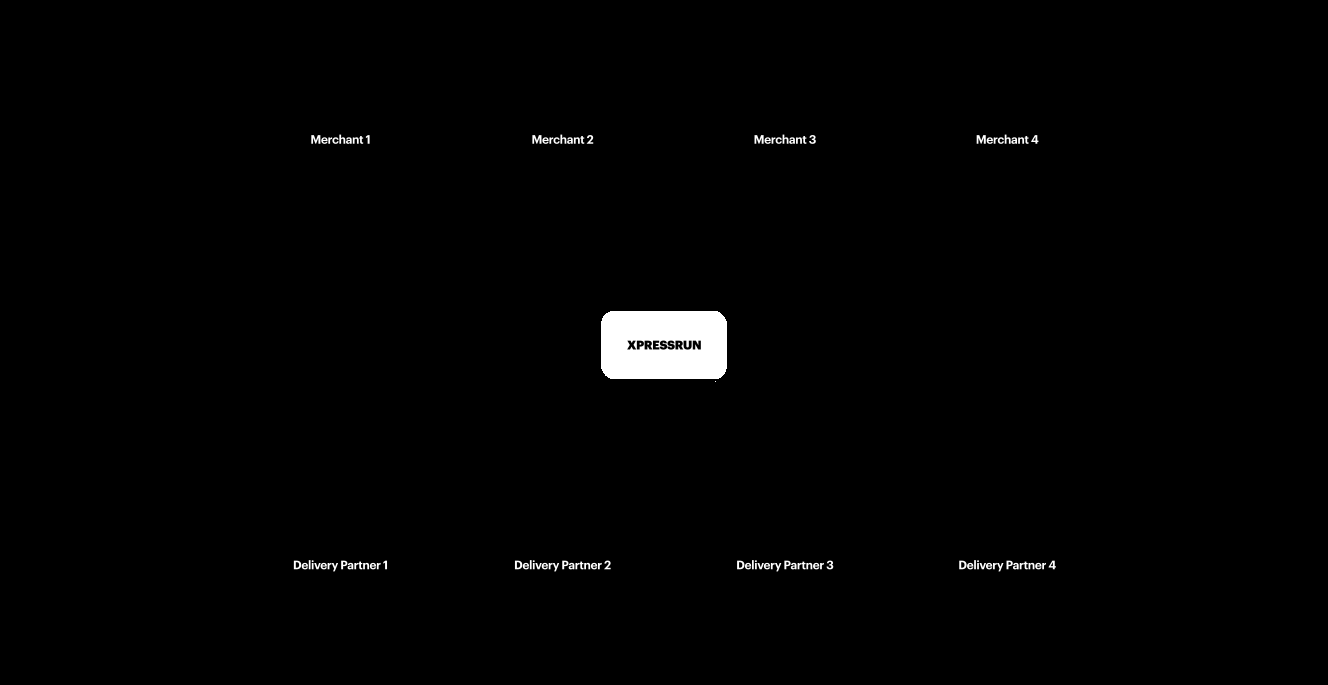
XpressRun is a cloud-based logistics aggregator that enables direct-to-consumer (DTC) businesses to manage same-day deliveries through multiple courier partners. Beyond delivery management, the platform helps merchants create branded customer experiences with white-label tracking, operational analytics, and seamless e-commerce integrations.
When I joined XpressRun, the product already existed and had established its core value proposition. However, it lacked many of the capabilities, workflows, and user experiences needed to compete with more established logistics platforms.
Over nearly two years, I partnered closely with the founders and engineering team to evolve the product through continuous research, feature development, and iterative improvements. My role expanded from Lead Product Designer to Head of Product, where I helped shape both the product vision and the roadmap while balancing customer needs with business goals.
- Founding Product Designer
- 700+ users within 3 months
- 1515% revenue growth over time
- 492% customer growth
- Seed funding secured
Understanding where
the product needed to grow
The first step wasn't redesigning the product—it was understanding what was limiting its growth. Through conversations with founders, customer support, merchants, and engineers, alongside competitor analysis and user feedback, I uncovered four recurring themes.
Those insights shifted our conversations away from feature requests and towards a much broader question:
How do we build a product that businesses genuinely want to grow with?
Insights
Low confidence prevented businesses from relying on the platform as part of their everyday operations.
Users had to invest significant time before experiencing value, creating unnecessary friction during onboarding.
Complex workflows reduced confidence and made it difficult for both new and existing users to complete key tasks efficiently.
Integration complexity and commercial constraints made the platform inaccessible for many smaller businesses.
3 principles guides every decision
As product conversations evolved, every design decision was measured against three simple principles. These principles became the foundation for every initiative that followed.
Merchants needed a platform they could trust to represent their business and deliver consistently for their customers.
Businesses should spend their time fulfilling orders, not learning software.
Reliable same-day delivery shouldn't be reserved for businesses with enterprise budgets or complex technical teams.
Laying the foundation
for a scalable product
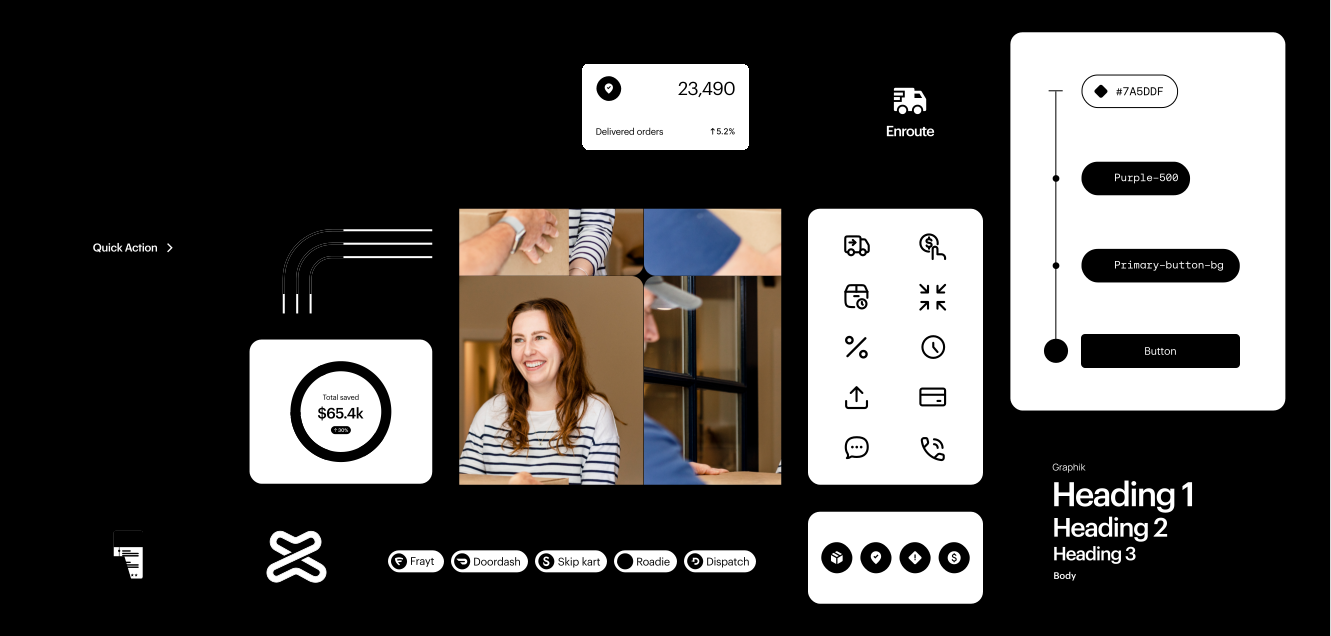
Before introducing new features, I focused on strengthening the product itself. Over time, I refreshed Xpressrun's visual identity, built its first design system, standardised interaction patterns, and established a more collaborative design process with engineering.
These investments weren't immediately visible to users, but they created the foundation that allowed the product to grow more consistently, ship faster, and deliver a more cohesive experience.
Helping businesses
reach thier first delivery
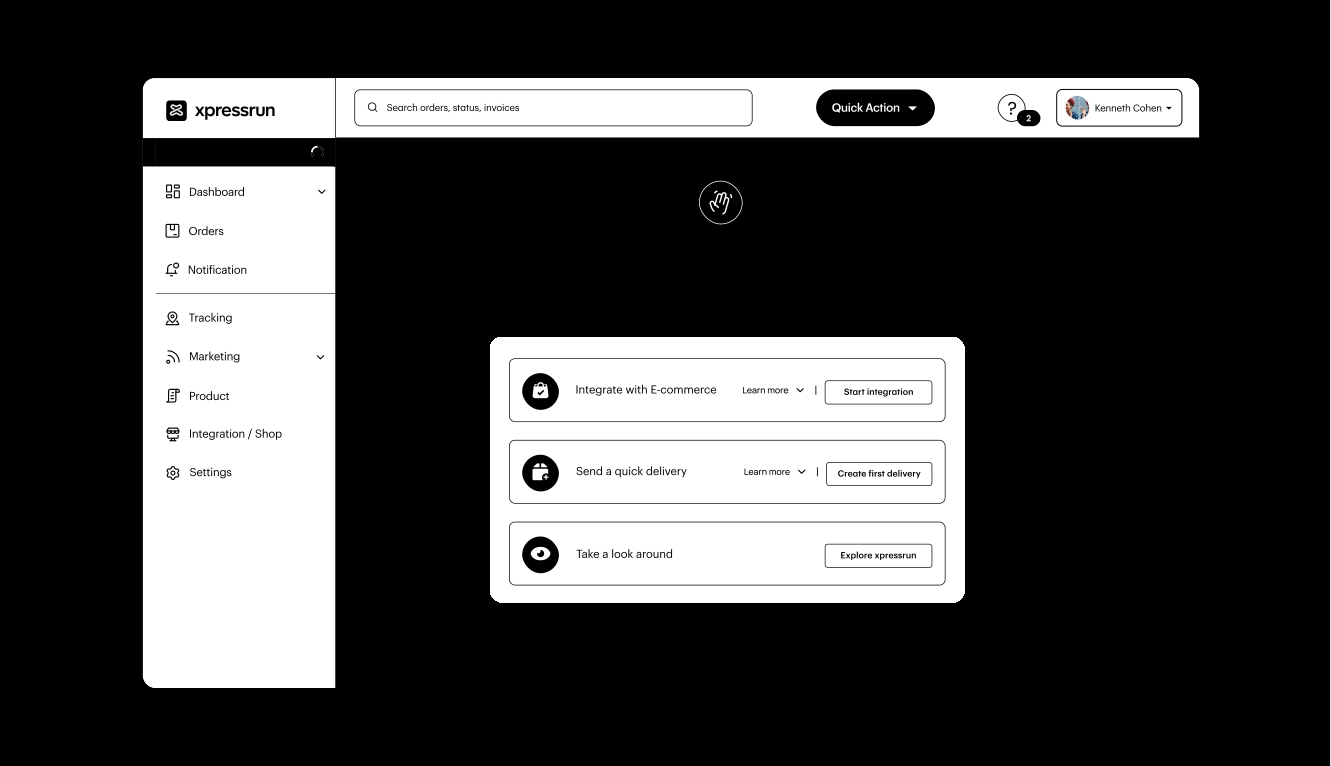
With stronger foundations established, I focused on improving platform adoption. By analyzing customer support insights and tracking drop-offs, I discovered that our one-size-fits-all onboarding ignored diverse user needs. I identified three distinct segments;
- E-commerce businesses needing checkout integration.
- Merchants managing manual, processed orders
- Casual users requiring quick, one-off deliveries.
The original flow only catered to the first group, causing significant churn. To fix this, I redesigned the onboarding to be intent-driven, allowing users to choose their path: integrate, create a delivery, or explore the platform. This eliminated unnecessary friction, helping users reach value faster and improving conversion.

Creating more value
beyond delivery
As merchants became more active on the platform, I began looking beyond operational workflows to the customer experience after checkout.
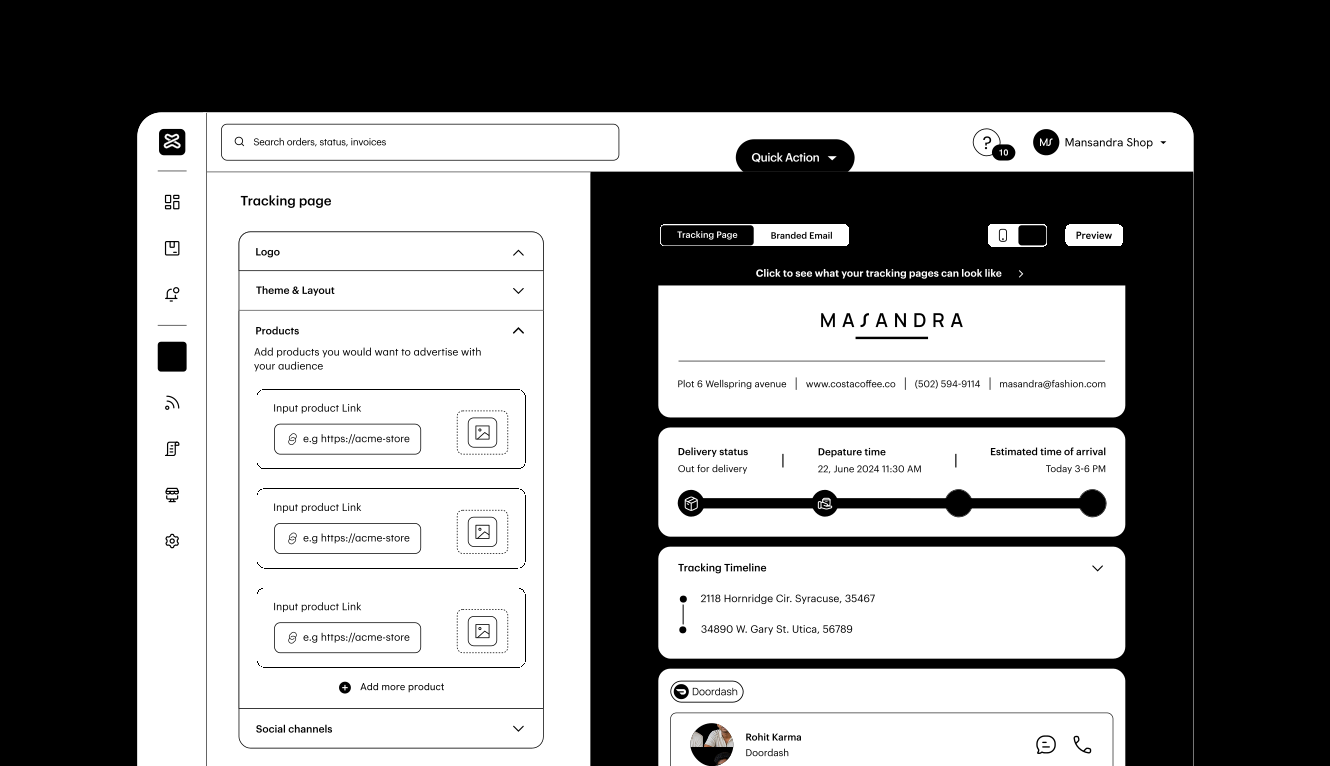
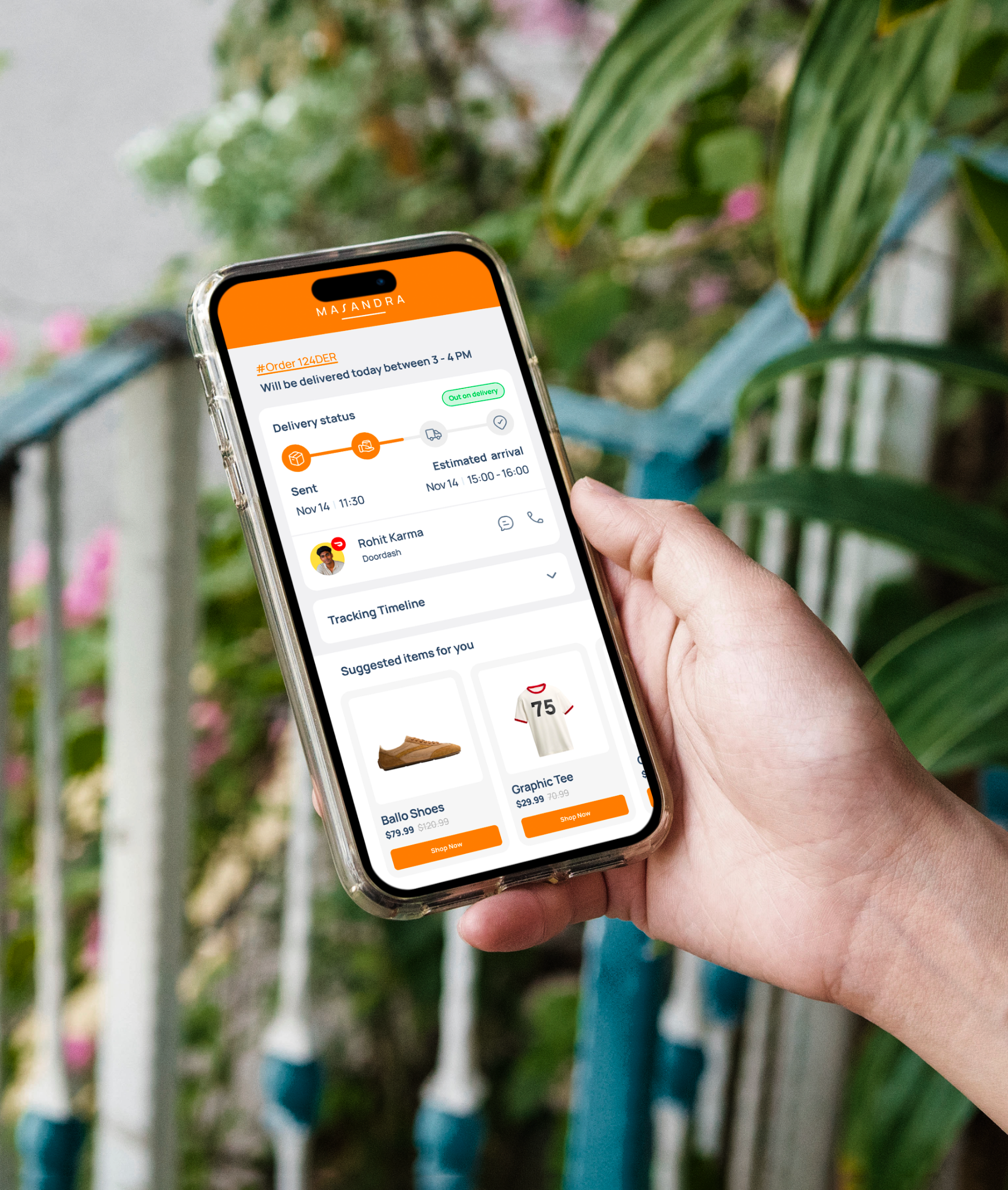
Order tracking was one of the few touchpoints shared by merchants, their customers and logistics providers. I recognised it as an opportunity to create more value than simply displaying delivery updates, so I redesigned it as an extension of each merchant's brand. Businesses could customise the experience, reinforce trust throughout delivery and communicate proactively with their customers.
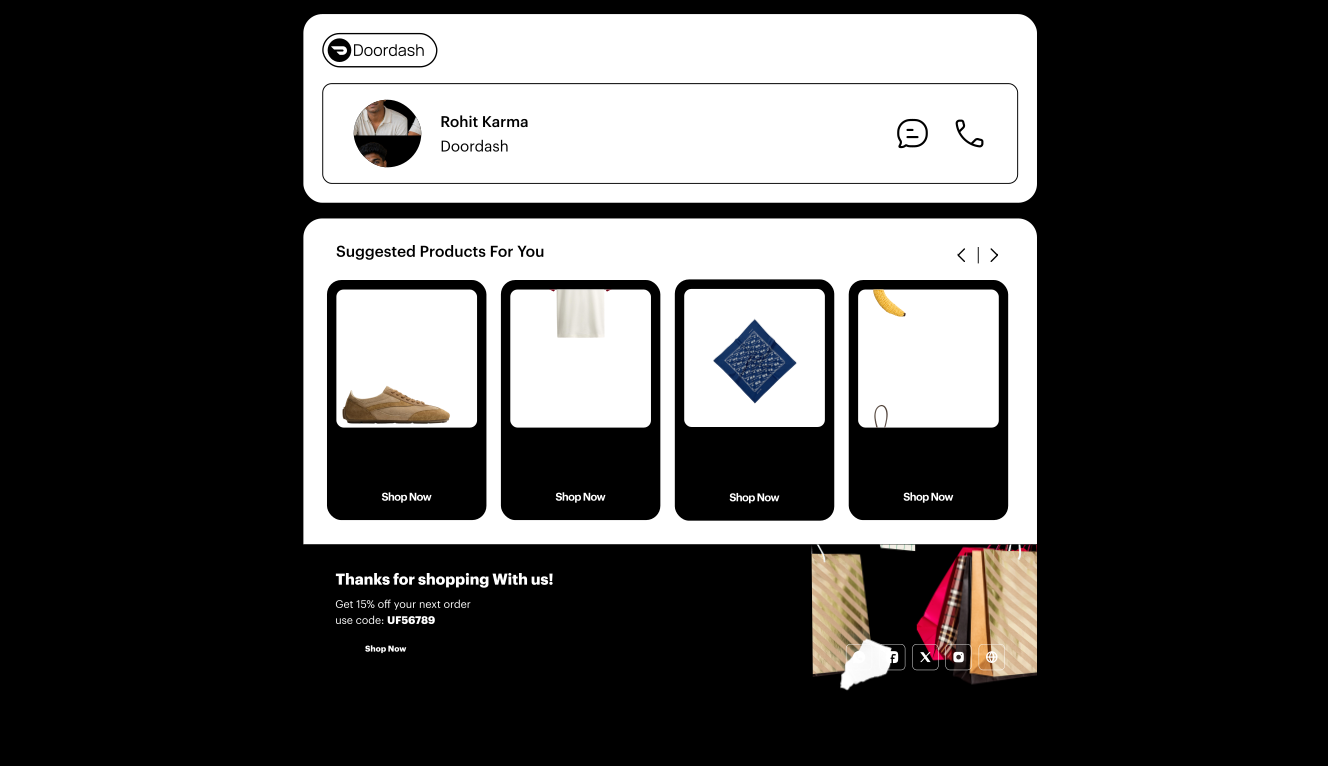
To unlock additional commercial value, I also designed a built-in remarketing feature. Merchants could promote products, share discount campaigns and add links to featured collections directly within the tracking page, turning a high-traffic customer touchpoint into a new sales channel.
What was once a functional tracking page evolved into a branded post-purchase experience that strengthened customer relationships, encouraged repeat purchases and created additional revenue opportunities for merchants.
Opening the platfom to
more businesses
While researching merchant behaviour, another opportunity became clear. Many businesses wanted to offer same-day delivery but couldn't justify the cost of premium e-commerce plans required for advanced checkout integrations.
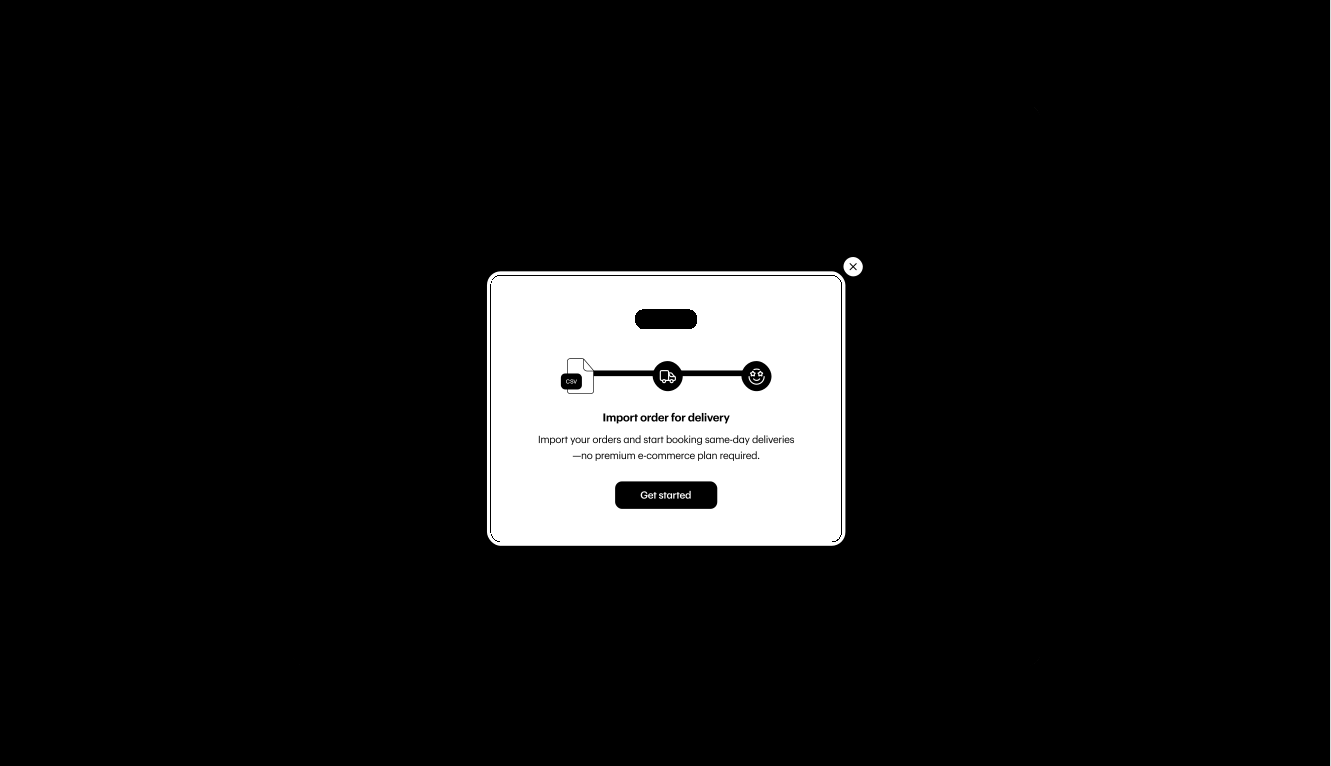
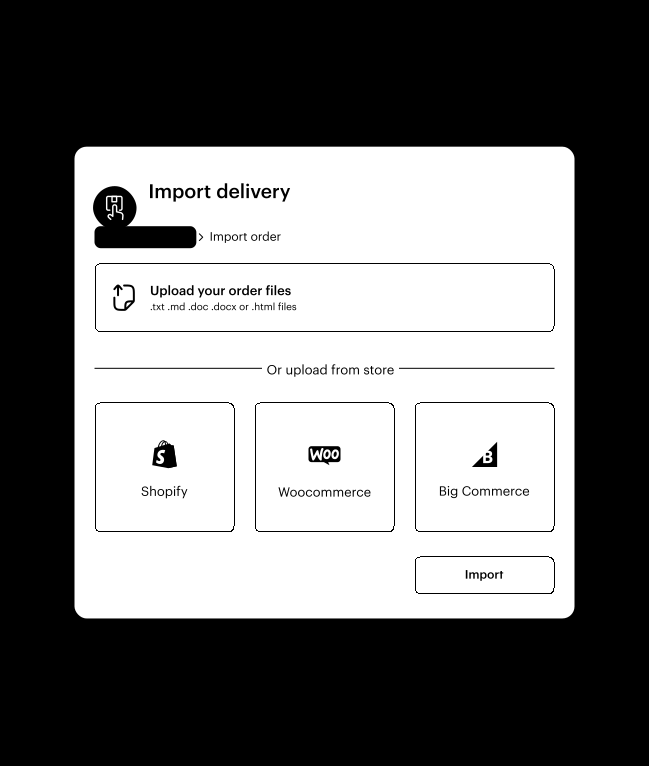
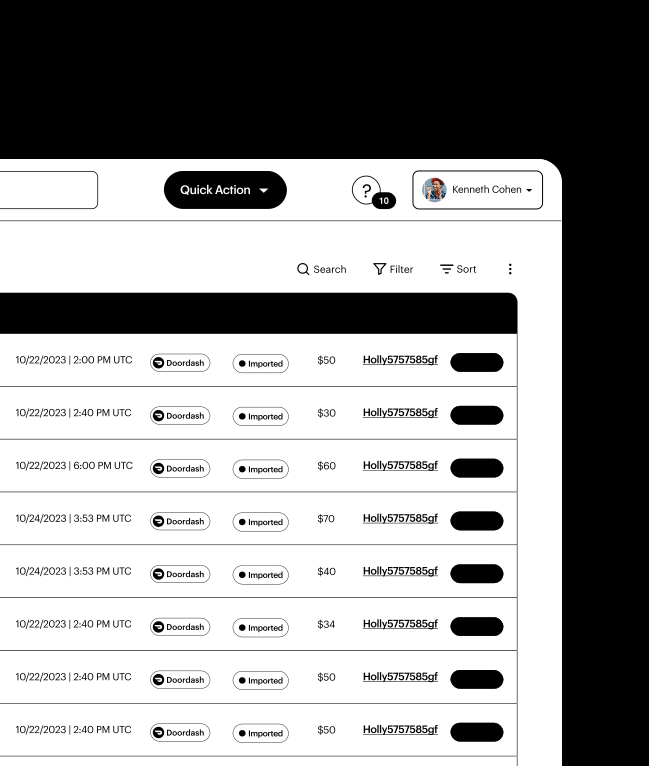
Working closely with engineering, I helped design an Import Orders workflow that allowed merchants to create deliveries directly from exported store orders. Although the workflow introduced a small manual step, it dramatically reduced the barrier to entry for smaller businesses.
Sometimes increasing accessibility isn't about adding new functionality. It's about removing the obstacles that prevent people from benefiting from what already exists.
Desigining for sustainable growth
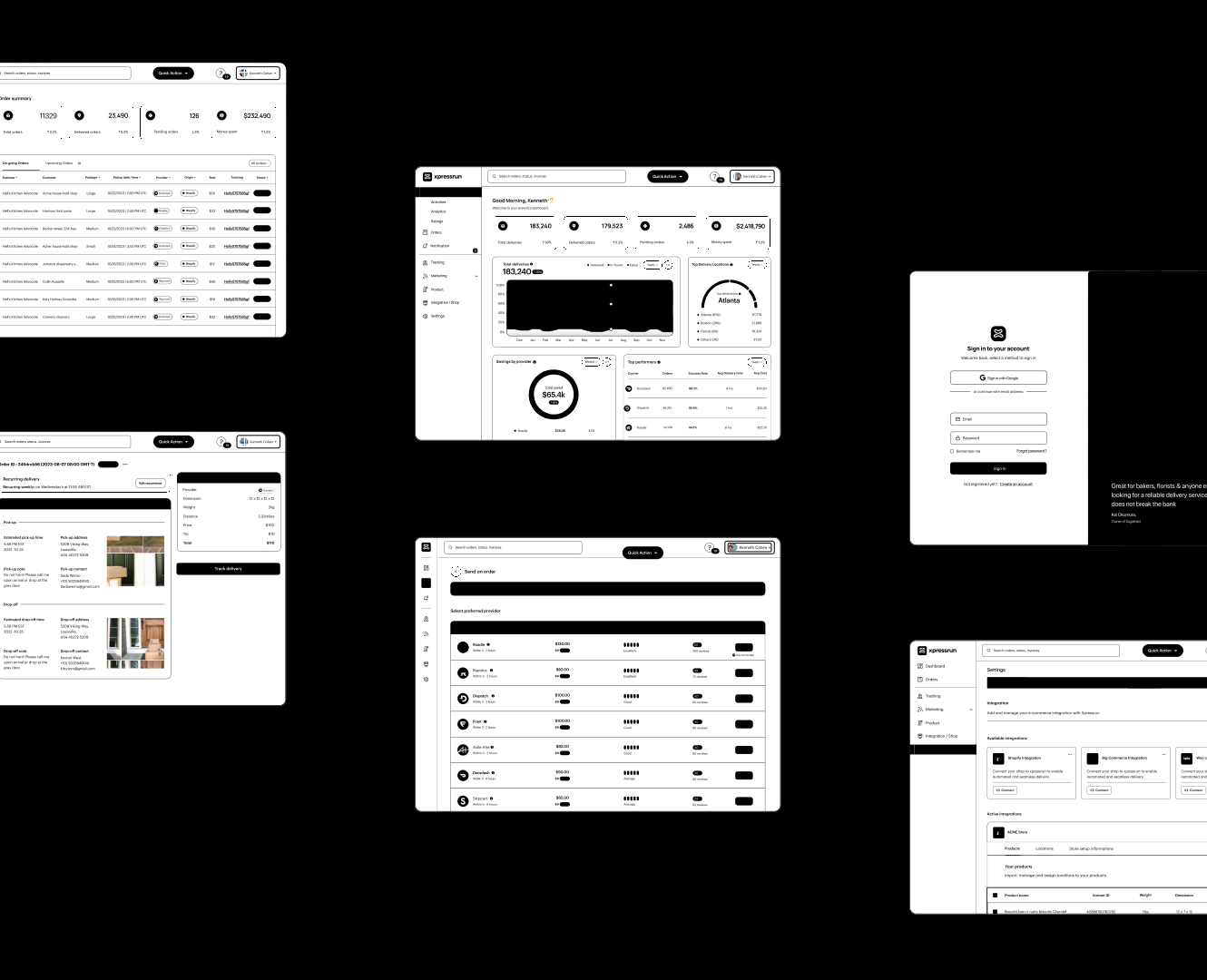
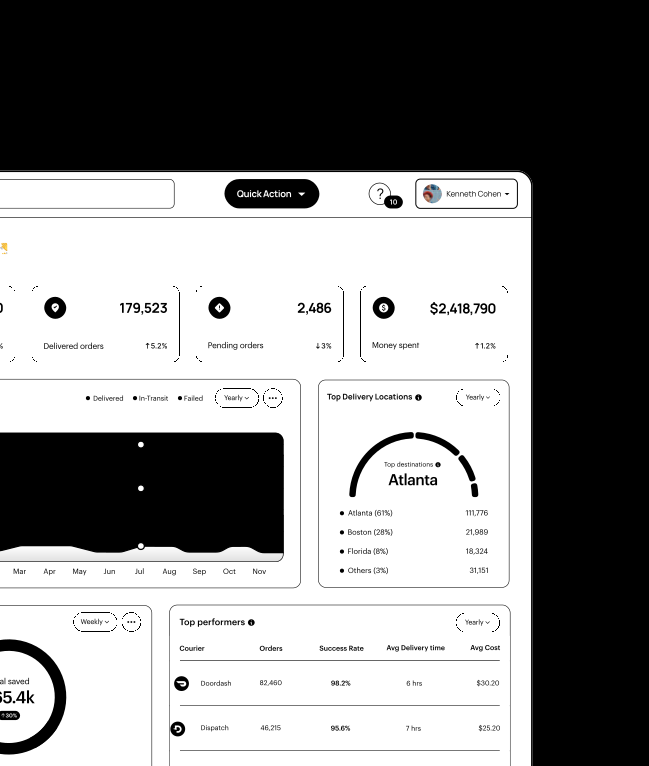
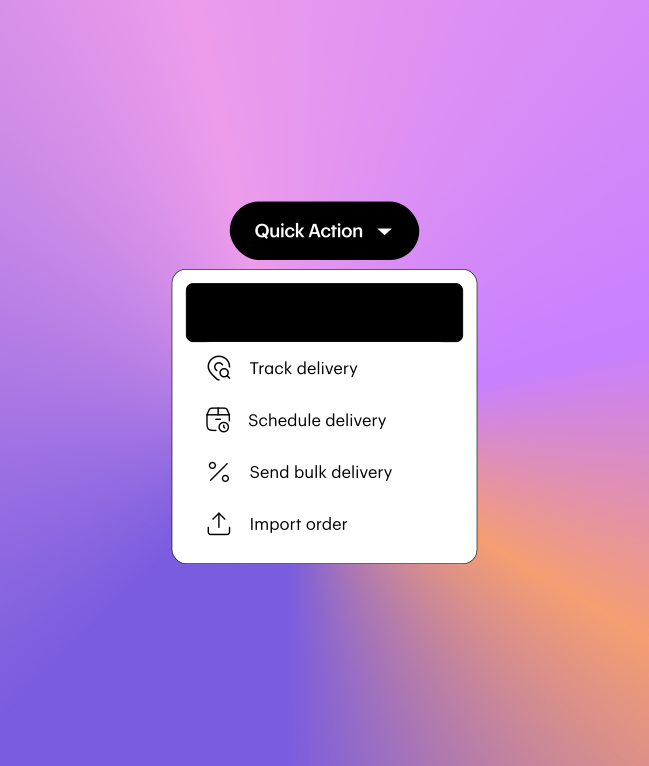
As the platform continued to expand, maintaining simplicity became just as important as adding functionality. Rather than continuously increasing navigation complexity, I designed a scalable dashboard architecture centred around a multi-functional Quick Actions system.
This provided merchants with immediate access to their most common tasks while creating a flexible framework capable of supporting future product growth.
As my responsibilities expanded into product leadership, I also became more involved in prioritisation, roadmap discussions, and ensuring new initiatives aligned with both customer needs and business objectives. The challenge was no longer designing individual features. It was helping the product evolve without becoming more complicated.
Building momentum
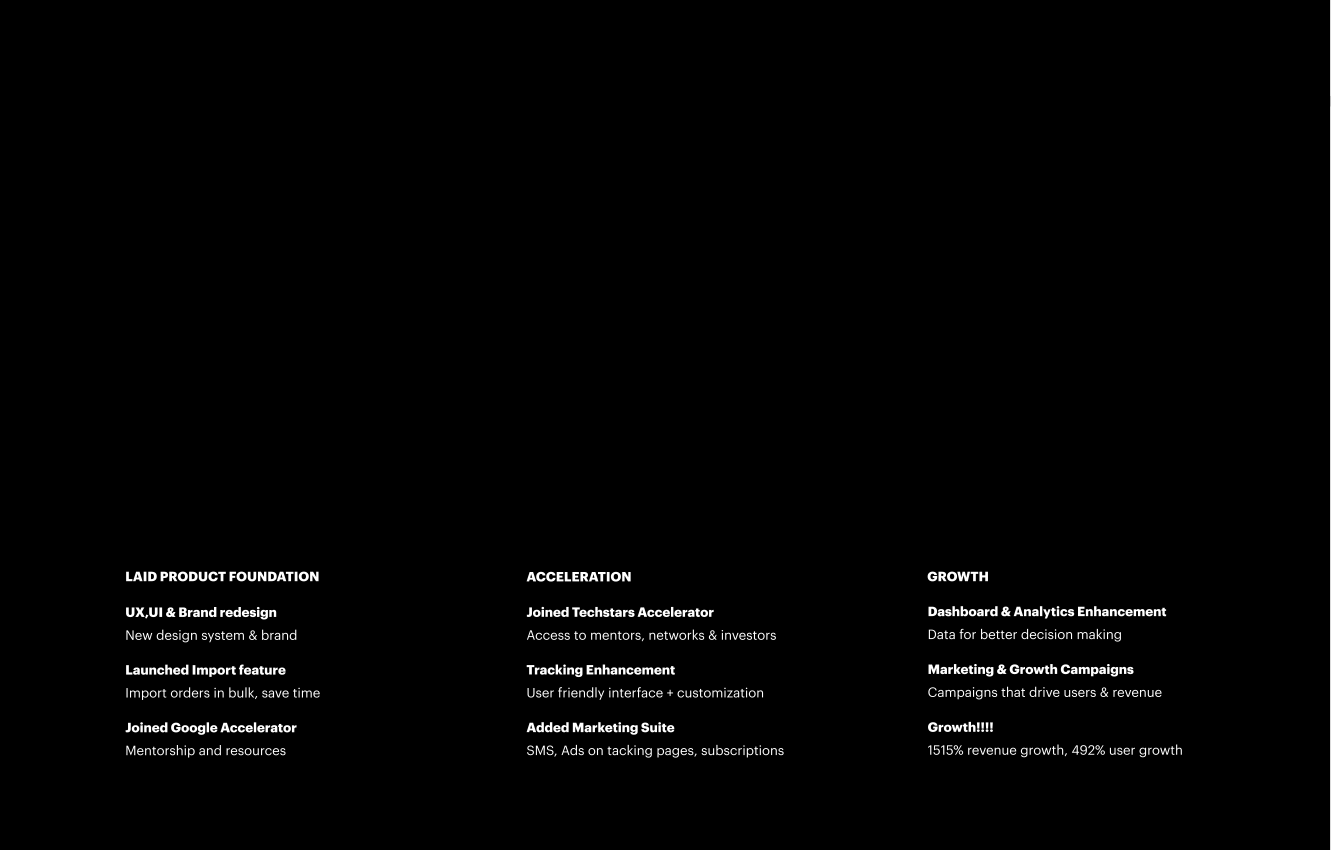
Alongside these product initiatives, the company was preparing for Techstars and Google for Founders Demo Day. Working within startup timelines meant balancing research, design, engineering, and business priorities simultaneously.
By adopting a lean and iterative product process, we were able to continuously learn from merchants, release improvements quickly, and refine the platform over time.
The product wasn't transformed in a single release. It improved through dozens of intentional decisions that compounded over nearly two years.
The outcome
By strengthening the product's foundations, simplifying adoption, improving merchant experiences, and designing for long-term scalability, Xpressrun evolved into a more mature platform capable of supporting growing businesses. The company successfully showcased the product during Techstars and Google for Founders while securing seed funding and building momentum beyond the accelerator programmes.

1515%
Revenue Growth
$26k → $427K

+492
Growth in B2B users
2022 — 2024

30%
Reduction in support
tickets
Selected Works